
Missing teeth can significantly impact your confidence, ability to eat comfortably, and overall quality of life. Dentures offer a practical, affordable solution for replacing missing teeth and restoring your smile. Whether you’ve lost one tooth or several, modern dentures are more comfortable and natural-looking than ever before. This comprehensive guide explores everything you need to know about dentures in the UK, from the different types available to costs, fitting procedures, and daily care. If you’re considering dentures or have recently been fitted with them, this article will help you make informed decisions and understand what to expect throughout your journey.
Dentures, commonly known as false teeth, are removable prosthetic devices designed to replace missing teeth and surrounding tissues. Dentures are removable, making them easy to clean and maintain compared to fixed solutions like implants. They restore both the function and appearance of your natural teeth, allowing you to eat, speak, and smile with confidence. Modern dentures are typically made from acrylic resin, sometimes combined with metal attachments for added strength and stability. They’re custom-made to fit your mouth precisely, ensuring comfort and a natural appearance that blends seamlessly with your facial features.
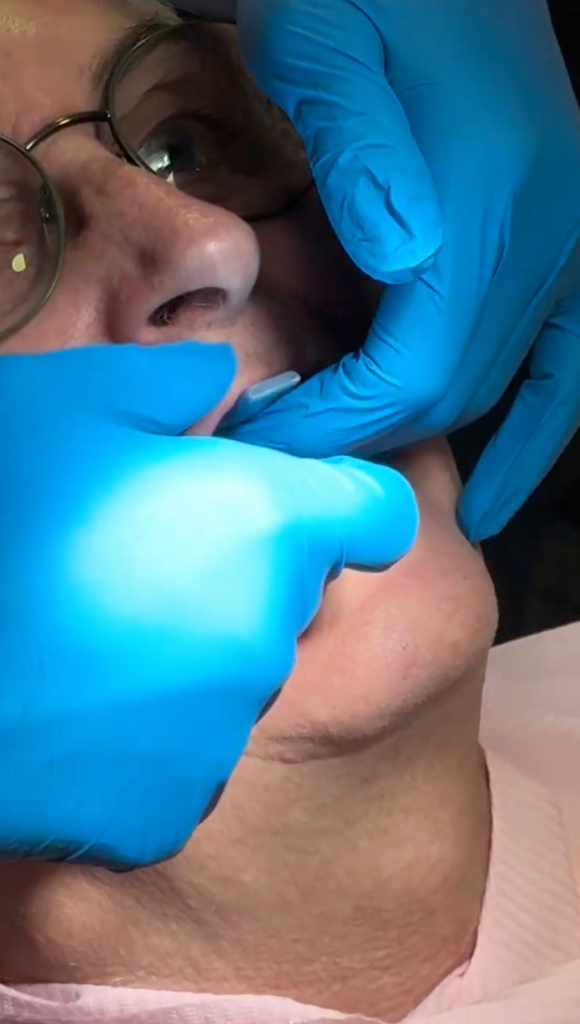
Understanding the different types of dentures helps you choose the most suitable option for your needs.
Dentures are considered removable appliances, meaning they can be taken out and cleaned by the patient, unlike fixed dental solutions such as dental implants or bridges which are permanently attached.
Complete dentures replace all the teeth in either your upper or lower jaw, or both. They’re recommended when you have no remaining natural teeth in an arch. These dentures rest directly on your gums and stay in place through suction and sometimes denture adhesive.
Partial dentures are ideal when you still have some healthy natural teeth remaining. They have false teeth attached to a base and typically attach to your existing teeth using metal clasps, which are a common method for fastening and providing stability. This prevents your remaining teeth from shifting position over time.
Immediate dentures are fitted on the same day your teeth are removed, meaning you won’t have to go without teeth during the healing period.
However, as your gums shrink and heal over the following months, these dentures will require adjustments or replacement with a final denture.
For greater stability, implant-supported dentures attach to dental implants surgically placed in your jawbone. By anchoring directly to the jawbone, implant-supported dentures help prevent bone loss by stimulating the jawbone and maintaining its density. Whilst considerably more expensive, they offer superior comfort and function compared to traditional dentures, eliminating concerns about slipping or movement.
It is important to include flossing underneath implant-supported dentures as part of your daily oral hygiene routine to ensure proper cleaning and prevent plaque buildup.
Flexi dentures are a newer option made from flexible, lightweight materials. They’re particularly popular for partial dentures as they’re more comfortable and aesthetically pleasing, though they may not suit everyone’s needs.
Modern dentures are crafted from a range of high-quality materials, each chosen for its durability, comfort, and ability to replicate the look of natural teeth. Complete dentures are most often made from acrylic resin, which is lightweight and can be tinted to match the natural colour of your gums and teeth. Partial dentures, designed to replace missing teeth when some natural teeth remain, may incorporate a metal framework for added strength, or use flexible nylon for a more discreet fit.
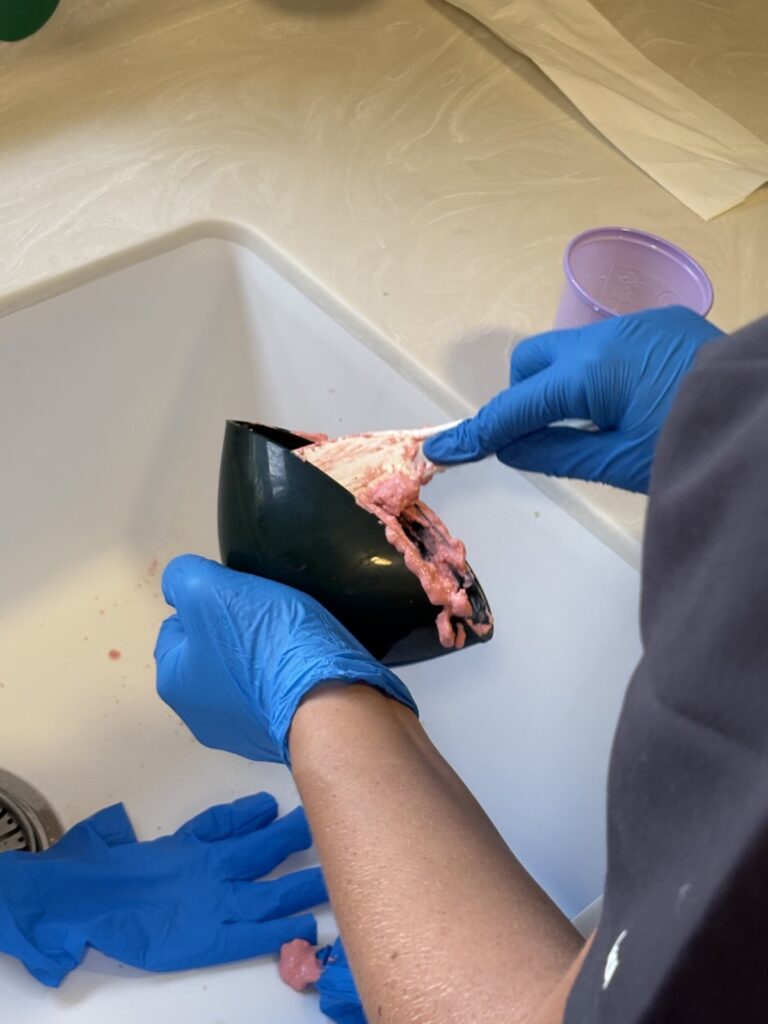
The process of creating dentures begins with your dentist taking precise impressions of your mouth structure and gums. These impressions are sent to a dental laboratory, where skilled dental technicians use them to build a detailed model of your gums and any remaining teeth. Using this model, the technician constructs the denture base and carefully attaches artificial teeth in the correct position to restore your bite and smile. Each step is tailored to ensure your dentures fit comfortably, function well, and look as natural as possible. Whether you need complete dentures or partial dentures, the goal is always to replace missing teeth in a way that restores your confidence and allows you to eat, speak, and smile with ease.
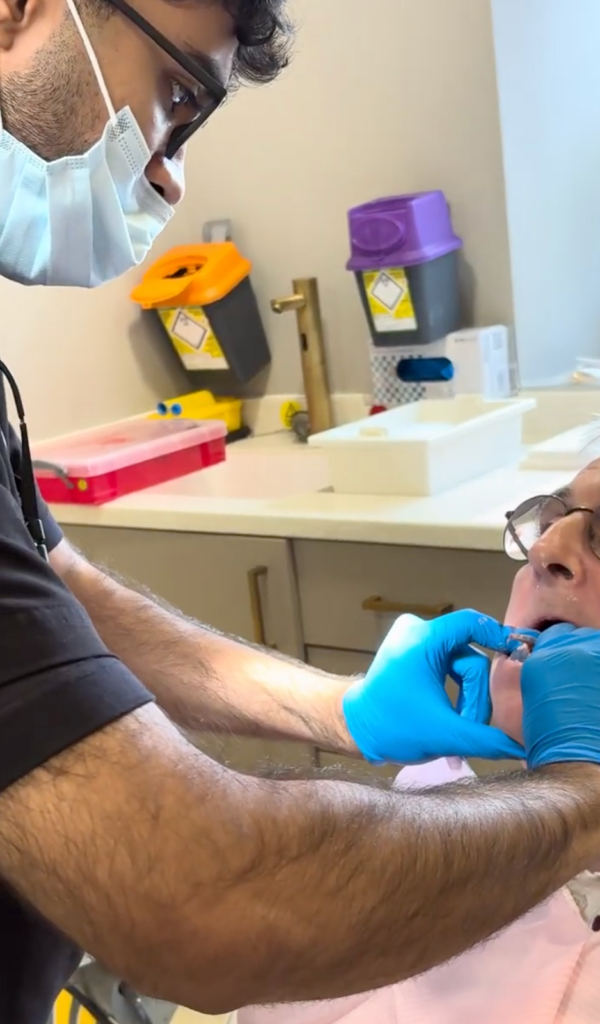
The treatment process normally takes a few weeks. There is a space of approximately a week between appointments. During your initial consultation, your dentist takes impressions of your mouth and measurements of your jaw. These moulds are sent to a dental laboratory where a dental technician crafts your custom dentures. You’ll return for try-in appointments where temporary dentures are tried in to check the fit, appearance, and bite. Adjustments are made based on your feedback before the final dentures are created. Once fitted, your dentist will make any necessary refinements to ensure optimal comfort. The entire process usually takes between 4 to 6 weeks, though immediate dentures can be provided more quickly.
NHS dentures fall under Band 3 treatment. This fixed price covers all consultations, impressions, fittings, and adjustments needed. To qualify for NHS dental treatment, you must be registered with an NHS dentist accepting new patients. Some groups receive free NHS dental treatment, including those under 18, pregnant women, and individuals receiving certain benefits.
Private dentures offer more choice in materials and aesthetics but come at a higher cost. Basic acrylic dentures at Church Street Dental Practice are from £875. Implant-supported dentures are the most expensive option, often exceeding £5,000 due to the surgical procedures involved. Private treatment allows for shorter waiting times and more personalised service.
Denture adhesives can be a helpful addition for anyone wearing dentures, especially if you experience loose dentures or are still getting used to your new false teeth. These products are designed to improve the stability of your dentures, making it easier to eat, speak, and go about your day with confidence. Denture adhesives come in several forms, including creams, powders, and adhesive strips, allowing you to choose the option that best suits your needs and preferences.
When selecting a denture adhesive, consider the type of dentures you have and any sensitivities you may have to certain ingredients. Always follow the manufacturer’s instructions for application and removal to ensure the adhesive works effectively and does not cause irritation. While denture adhesives can provide extra security, they should not be used to compensate for poorly fitting dentures. If your dentures are consistently loose, it’s important to see your dentist for an adjustment.
Proper care is essential for both your dentures and your oral health. Clean your dentures daily using a soft brush and a denture cleaning solution, and remove any adhesive residue as part of your routine. Regular dental check-ups will help ensure your dentures remain comfortable and functional, and that your gums and any remaining teeth stay healthy. By combining the use of denture adhesives with good cleaning habits and professional care, you can enjoy a secure, comfortable fit and a confident smile, even if you have missing teeth.
Proper denture care ensures longevity and maintains oral health, with cleaning dentures daily being essential to remove plaque, tartar, and food deposits. Remove and rinse your dentures after eating to eliminate food particles. Brush them daily using a soft-bristled brush and denture cleaner. Never use regular toothpaste as it’s too abrasive and can damage the surface. Soak your dentures overnight in a denture cleaning solution to keep them moist and maintain their shape. Handle them carefully over a sink filled with water or a towel to prevent breakage if dropped. If your dentures feel loose or uncomfortable, a denture fixative can be used to improve stability and comfort. Additionally, maintain your oral hygiene by brushing your gums, tongue, and any remaining teeth each morning before inserting your dentures.
Adjusting to new dentures takes time, typically four to eight weeks, and the initial adjustment period is normal. Initially, you may experience increased salivation, minor soreness, and difficulty speaking clearly. These symptoms gradually diminish as your mouth adapts. Start with soft foods cut into small pieces, and chew slowly to help prevent your dentures from shifting; gradually reintroduce harder foods as you gain confidence. Practice speaking by reading aloud at home. Some soreness is normal, but persistent pain indicates your dentures need adjustment, contact your dentist rather than attempting modifications yourself. Dentures slip is a common issue at first, especially when laughing or coughing; try gently biting down, swallowing, or using denture adhesive to help keep them in place.
Choosing between dentures and dental implants depends on several factors. Removable dentures are more affordable and non-invasive, making them accessible to most patients. They’re removable, requiring no surgery but needing daily maintenance. A fixed bridge is a dental prosthetic that replaces missing teeth by anchoring to surrounding healthy teeth, providing a more permanent solution than removable dentures with greater stability and function. Dental implants are a permanent solution, as they are surgically placed and fuse with the jawbone, offering superior stability and longevity, lasting 20+ years with proper care. However, they require adequate jawbone density, multiple surgical procedures, and significant financial investment. Consider removable dentures if you’re seeking an economical solution or cannot undergo surgery. Opt for a fixed bridge or implants if you prioritise long-term stability and have the budget and bone health to support a more permanent solution.
Loose dentures typically indicate your gums have changed shape and require refitting. Some people use denture glue for extra security, but this is usually not necessary if dentures fit well. Dentures tend to become loose over time as the shape of your mouth and gums changes. Sore spots suggest pressure points that may be causing irritation of the soft tissues and need professional adjustment. If eating remains difficult after the adaptation period, ensure your dentures fit properly and try cutting food into smaller pieces. Missing teeth can cause other teeth to shift or tilt, but dentures help prevent this by maintaining proper alignment and function. Persistent bad breath despite cleaning indicates you may need to improve your hygiene routine or have your dentures professionally cleaned. Never attempt to adjust dentures yourself using household adhesives or tools; always consult your dentist.
How long do dentures last? With proper care, dentures typically last five to ten years before needing replacement due to wear or changes in your mouth shape.
Can I sleep with my dentures in? Dentists generally recommend removing dentures overnight to give your gums time to rest and recover.
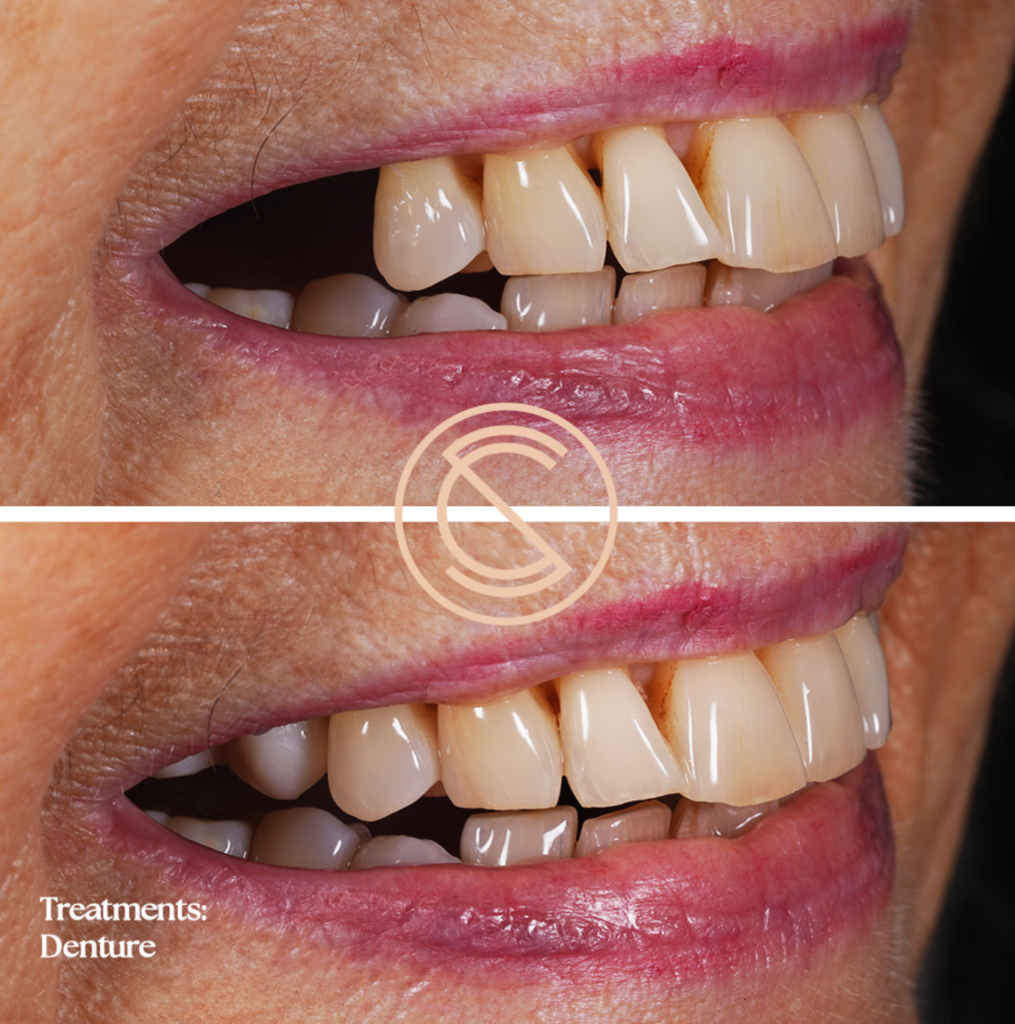
Will people notice I’m wearing dentures? Modern dentures are remarkably natural-looking, and most people won’t notice unless you tell them.
Do dentures hurt? There’s an initial adjustment period, but once properly fitted, dentures should be comfortable and pain-free.
Can I eat normally with dentures? Yes, after adaptation you can enjoy most foods, though very hard or sticky items may require caution. Chewing ability may improve with certain types of prosthetics, such as fixed bridges or implant-supported dentures, which can feel more natural and functional.
Dentures offer an effective, affordable solution for replacing missing teeth and regaining your confidence. At Church Street Dental Practice, we have been treating patients with dentures for years, so it’s safe to say all our dentists know exactly what they are doing. Visit our denture page to enquire about prices, dentists, etc. Our denture prices start at £875. If you’re interested in this and want to learn more, enquire today by following the link!
Back to Blog



Dental crowns - an effective substitute for your smile.
Learn MoreDental crowns - an effective substitute for your smile.
Learn More







Church Street Dental Practice, 10 Church Street, Houghton le Spring, Durham, DH4 4DN. Telephone 0191 584 3247. CSDP (UK) Ltd trading as Church Street Dental Practice is a credit broker not a lender and is authorised and regulated by the Financial Conduct Authority, 840271. Registered in England & Wales 07257396. Registered Address: 10 Church Street, Houghton le Spring, Durham, DH4 4DN.