
If you’re considering dental implants, you’re probably wondering about the cost. It’s one of the biggest concerns patients have, and understandably so. Dental implants represent a significant investment, with single tooth replacement costing approximately £3,000 across the UK. But what does this price actually include? And more importantly, what hidden costs might you encounter along the way? This guide breaks down every expense from your initial consultation through to completion, helping you plan your investment with confidence.
UK patients are increasingly viewing dental implants as a long-term investment in their dental health. Understanding your individual dental needs is essential for accurate cost planning and ensuring the best treatment outcomes.
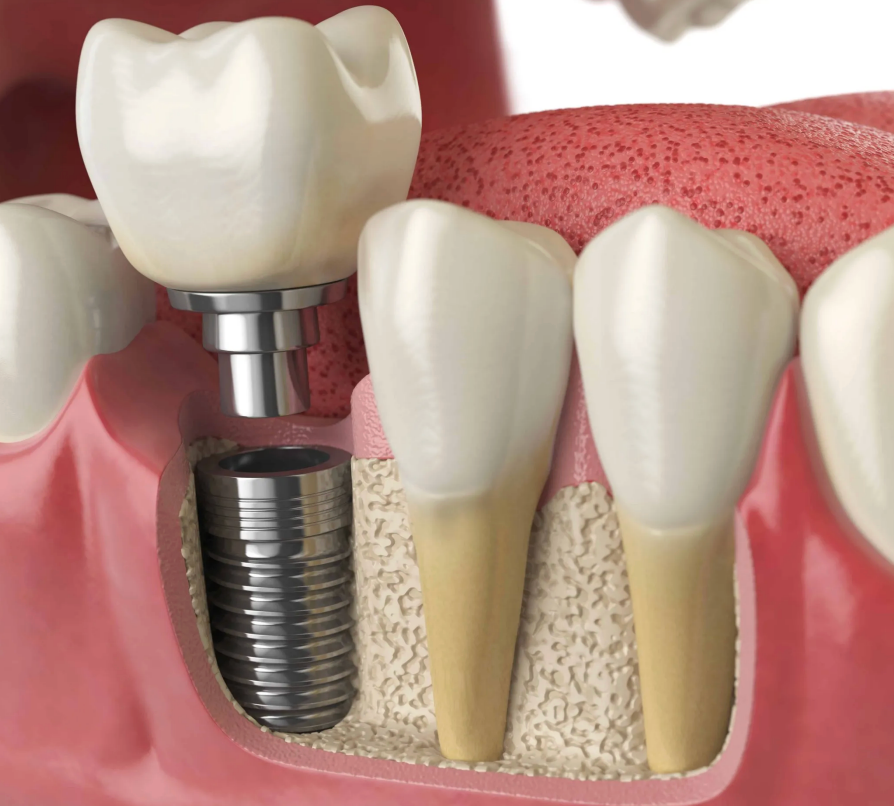
When you pay for a dental implant, you’re not simply buying a replacement tooth. The cost covers three main components: the titanium implant post that’s surgically placed into your jawbone, the abutment that connects the post to your new tooth, and the custom-made crown that sits on top. This sophisticated combination of materials and expertise explains why implants cost more than alternatives like bridges or dentures.
Dental implant prices can vary significantly based on the implant type chosen and the range of dental implant options available. The choice of implant such as single implants, All-on-4, or full-mouth restorations are tailored to your individual needs, and each option can influence the overall cost. Treatment complexity, including factors like bone grafts or sinus lifts, also plays a major role in determining the final price. Prices vary considerably across the UK. London practices typically charge at the higher end of the spectrum. The complexity of your case also affects the final bill. A straightforward single tooth replacement costs significantly less than multiple implants or full-arch restorations.
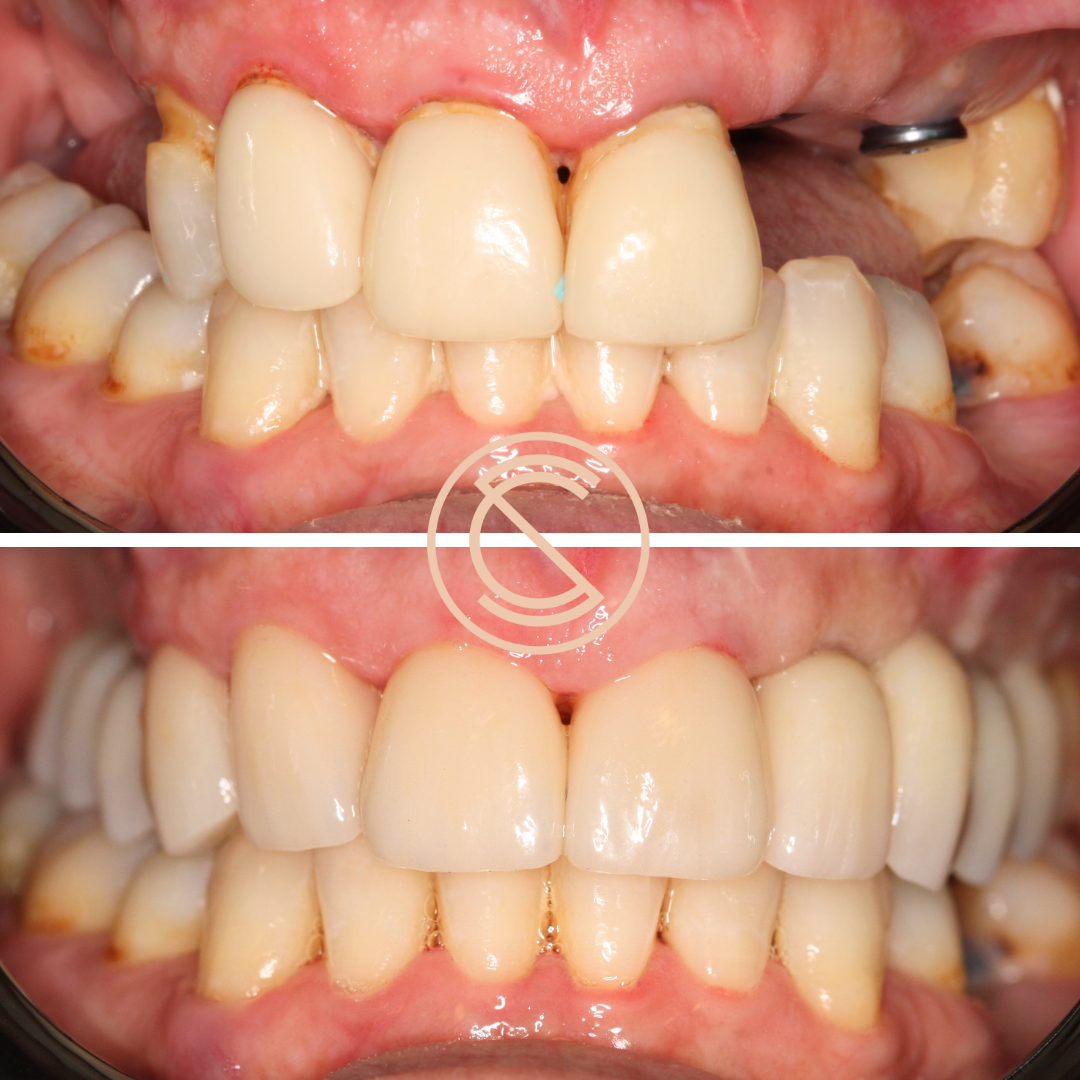
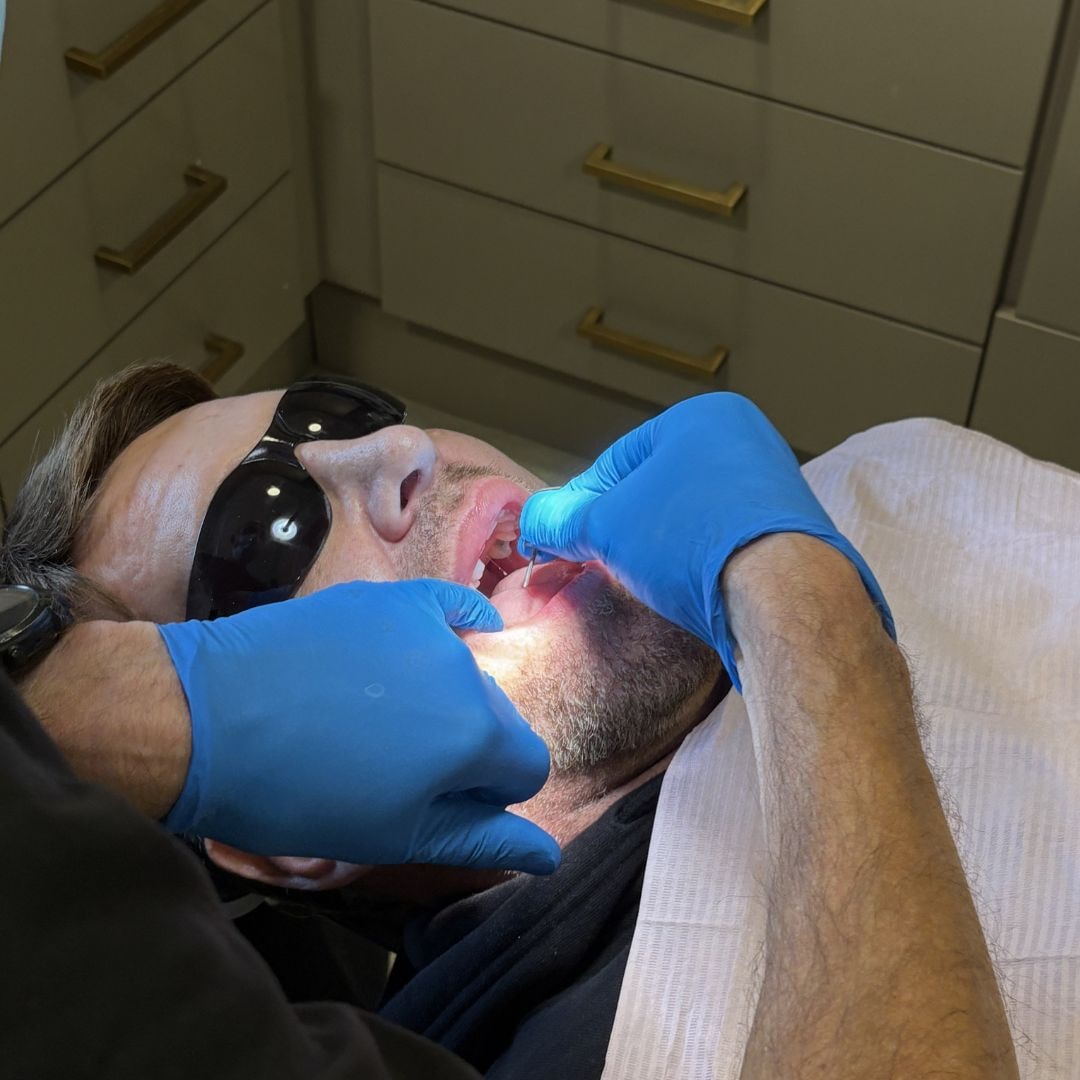
Your implant journey begins with a thorough consultation. During this appointment, your dentist will examine your mouth. Often, implant dentists who have specialised training beyond general dentistry conduct these consultations to ensure the best outcomes. They may take X-rays, discuss your medical history, and create a personalised treatment plan. This fee typically covers the time and expertise required to properly assess your suitability for implants and develop a comprehensive treatment strategy.
Before any surgery takes place, you’ll need detailed imaging, such as a CT scan. A CT scan is crucial for assessing jawbone health, detecting infections or bone loss, and guiding treatment planning to ensure the best outcome. CT scans and 3D imaging technology allow your dentist to see the exact structure of your jaw, identify the optimal position for your implant, and spot any potential complications. The investment in digital planning technology significantly improves success rates and reduces the risk of complications.
The surgical placement of your implant is the most significant cost. For a single implant, you can expect to pay approximately £3,000 which typically includes the implant post itself and the surgical procedure. However, it’s crucial to clarify what’s included in your quote. Some practices bundle everything together, whilst others charge separately for different stages. If you have severe anxiety about the procedure, sedation is available at some clinics for an additional cost. During the healing period before your permanent crown is fitted, you may be provided with temporary teeth to maintain function and appearance.
approximately three months after your implant surgery, once the post has fully integrated with your jawbone, you’ll return for the placement of your abutment and crown. This abutment and crown provide fixed solutions that are more stable and permanent than removable alternatives. Some practices include this final restoration in their quoted price, whilst others charge separately, typically £1300 to £2000 each. The material chosen for your crown also affects the cost, with porcelain and zirconia being popular options that offer both durability and natural appearance.
One of the most frustrating aspects of dental implant treatment is discovering unexpected costs after you’ve committed to the procedure. Additional costs can arise throughout the process, affecting the total dental implant treatment cost. Bone grafting is perhaps the most common additional expense. If your jawbone lacks sufficient density or volume to support an implant, you’ll need a bone graft, which costs between £450 and £2,500 depending on the extent of grafting required.
For upper jaw implants, you might need a sinus lift if your sinuses sit too close to where the implant needs to go. This procedure adds £800 to £2,000 to your bill. If you still have the damaged tooth in place, extraction costs between £75 and £300. Temporary crowns worn during the healing period add another £100 to £300.
Follow-up appointments for adjustments and monitoring are usually included, but it’s worth confirming this with your dentist. Should complications arise though rare with experienced practitioners managing these issues can increase costs further. This is why you should always be wary of “from” prices that seem too good to be true. Implant treatment costs can include not only the surgery but also follow-up care, maintenance, and any necessary adjustments, so the overall dental implant treatment cost may be higher than initially expected. They often represent the absolute minimum cost in ideal circumstances, which many patients don’t meet.
When planning for dental implants, it’s important to recognise that your treatment may involve more than just the implant placement itself. Many patients require additional procedures, known as supporting treatments to ensure the best possible outcome for their dental implant treatment. These extra steps are tailored to your unique dental health needs and can make a significant difference in the long-term success of your implants.
One of the most common supporting treatments is bone grafting. If you’ve experienced tooth loss or have been missing teeth for some time, your jawbone may have lost density or volume. Bone grafts are used to rebuild and strengthen the jaw, providing a solid foundation for your dental implants. This procedure can involve using bone from another part of your body or a donor source, and is typically performed under local anaesthetic. Bone grafting is especially important for patients whose bone density isn’t sufficient to support a single dental implant or multiple implants, and it’s a key factor in achieving a stable, long-lasting result.
For those needing implants in the upper jaw, a sinus lift may be necessary. This procedure gently raises the sinus membrane and adds bone beneath it, creating enough space for secure implant placement. Sinus lifts are often necessary when the sinus cavity is too close to the jawbone, which is a common issue for patients with missing teeth in the back of the upper jaw. By increasing bone height in this area, a sinus lift helps ensure your dental implants are anchored safely and effectively.
Other supporting treatments can include periodontal therapy to address any gum disease or inflammation before implant surgery. Healthy gums are essential for successful implant treatment, so your implant dentist may recommend treating any underlying issues first. In some cases, a temporary crown or bridge may be fitted to protect your gums and maintain your smile’s appearance while your implants heal and integrate with the bone.
The costs involved in these additional procedures can vary, depending on the complexity of your case and the number of implants required. While the cost of dental implants is a significant investment, it’s important to factor in the potential need for bone grafts, sinus lifts, or other supporting treatments when considering your final treatment cost. Many UK-based clinics offer flexible payment plans to help spread the cost, making it easier to access the full range of implant treatments you may need.
Choosing the right implant dentist or dental practice is crucial. Look for qualified professionals who use advanced technology and provide a detailed treatment plan that outlines all recommended procedures and associated costs. A transparent approach ensures you understand every step of your implant journey and helps you achieve the best possible results for your oral health and confidence.
By being aware of the supporting treatments that may be part of your dental implant treatment, you can make informed decisions and feel prepared for each stage of your care. Whether you’re replacing a single missing tooth or restoring a full mouth, these additional procedures play a vital role in creating a strong, natural-looking smile that lasts.
If you’re missing most or all of your teeth, individual implants for each tooth would be prohibitively expensive. Fortunately, full-arch solutions like All-on-4 offer a more cost-effective approach. These treatments use just four to six strategically placed implants to support a full arch of teeth, with prices ranging from £15,000 – £20,000 per arch. Full mouth treatment is often recommended for patients needing multiple implants or those with multiple missing teeth, and mouth restoration options like a fixed bridge can provide stable, long-term results.
Full mouth reconstruction seems substantial; it’s often more economical than placing individual implants for 20 or more missing teeth. Teeth in a day procedures offer rapid restoration for suitable candidates, delivering immediate results and significant benefits for patients needing multiple implants.
Many patients ask whether they can get dental implants on the NHS. Unfortunately, the answer is almost always no. NHS implants are only available in very specific circumstances typically following trauma, cancer treatment, or congenital conditions. NHS funding is generally reserved for cases with significant medical needs and is not available for purely cosmetic purposes. For the vast majority of patients, implants are considered a cosmetic treatment and must be paid for privately.
Whilst this reality disappoints many people, private treatment does offer advantages. You’ll have access to the latest technology, more choice in materials and techniques, and often shorter waiting times. When choosing a private clinic, focus on the qualifications and experience of the implantologist rather than just the price, as quality can vary significantly. Opting for a UK-based clinic ensures adherence to UK safety standards and provides convenient follow-up care, offering reassurance compared to clinics abroad.
The good news is that many dental practices now offer flexible payment plans to make implants more accessible. Some clinics advertise monthly payments from as little as £21, though this depends on the total cost, your deposit, and the length of your payment plan.
Before signing any finance agreement, check the APR (annual percentage rate) if interest applies, understand the total amount you’ll repay, and confirm there are no hidden fees or early repayment penalties. Taking time to understand the financial commitment ensures you can afford your treatment comfortably without unwelcome surprises.
When comparing implants to alternatives, it’s essential to think beyond the initial price tag. Dental implants typically last 20 to 25 years or more with proper care, making them the most durable tooth replacement option available. You’ll need regular check-ups and professional cleaning, similar to your natural teeth, but these routine maintenance costs are modest. Considering the long-term benefits, such as preservation of bone density and overall oral health, many patients find dental implants worth the investment compared to other options.
The crown may need replacing after 10 to 15 years, costing £1300 to £2000. Compare this to dental bridges, which last 5 to 15 years and require replacing your entire restoration, or traditional dentures, which cost between £1000 and £2,500 per arch and need regular adjustments and replacement every 5 to 10 years. Additionally, dental implants help preserve facial structure by preventing bone loss, maintaining the natural appearance of your face over time. When you calculate the total cost of ownership over 20 years, implants often prove more economical whilst offering superior comfort, function, and aesthetics.
Not everyone is an ideal candidate for dental implants, and certain factors can increase both complexity and cost. Your bone density and quality are crucial insufficient bone means expensive grafting procedures. Health conditions like diabetes or osteoporosis can affect healing and success rates. Smoking significantly increases the risk of implant failure and may require additional procedures or precautions. During your consultation, your dentist will assess your oral condition and dental implant needs to determine the most suitable treatment plan for you.
The number of teeth you’re replacing obviously impacts the total cost, as does the complexity of your jaw position and bite alignment. Bone loss and treatment complexity can significantly impact both your eligibility for implants and the overall costs involved, especially if additional procedures like bone grafts or sinus lifts are required. Age itself isn’t usually a barrier implants are successfully placed in patients from their young adults through to their 90s but overall health matters more than the number on your birthday cake. During your consultation, your dentist will assess all these factors and provide an honest evaluation of what your treatment will involve and cost.
Dental implants represent a significant financial commitment, with single tooth replacements typically costing approximately £3,000 in the UK. However, understanding the complete cost picture from consultation through hidden expenses to long-term maintenance helps you make an informed decision and avoid unwelcome surprises.
The key is finding a practice that offers transparent pricing, detailed treatment plans, and experienced implantologists. Remember, choosing a provider based solely on the lowest price can be a false economy. Qualifications, experience, and technology matter enormously when it comes to successful outcomes that last for decades. Even replacing one missing tooth or individual teeth can have a significant impact on your quality of life, mental health, and social confidence.
At Church Street Dental Practice, we provide complete dental implant treatment from £3,500, including your implant, abutment, and crown. Book your initial consultation for £95 to discuss your individual needs and get a detailed cost breakdown. Discover our dental implant services or call us today to start your journey to a confident smile. Reading patient stories can also help you understand the real-life benefits and emotional transformations that dental implants provide.
Back to Blog



Dental crowns - an effective substitute for your smile.
Learn MoreDental crowns - an effective substitute for your smile.
Learn More






Church Street Dental Practice, 10 Church Street, Houghton le Spring, Durham, DH4 4DN. Telephone 0191 584 3247. CSDP (UK) Ltd trading as Church Street Dental Practice is a credit broker not a lender and is authorised and regulated by the Financial Conduct Authority, 840271. Registered in England & Wales 07257396. Registered Address: 10 Church Street, Houghton le Spring, Durham, DH4 4DN.