
Thinking about trying teeth whitening strips but confused by conflicting claims? You’re not alone. Whilst product pages promise flawless results with zero side effects, the reality is far more nuanced. Many people waste money on treatments that don’t suit their needs, or worse, damage their teeth through misuse, sometimes causing pain or sensitivity. In this article, we’ll debunk the most common myths about teeth whitening strips with dentist-backed evidence. So you can make an informed decision about achieving a whiter smile safely and effectively.
Teeth whitening has become one of the most sought-after cosmetic dental treatments for those looking to achieve a brighter smile. Everyday habits, like drinking coffee, tea, or red wine, can leave behind surface stains that dull the natural colour of your teeth. Whitening strips offer an affordable solution for anyone wanting to remove surface stains and reveal a whiter smile. These thin, flexible strips are often formulated with a peroxide-free formula, making them gentle on enamel while.
Whitening strips are designed to make teeth whitening simple and accessible, especially for those with sensitive teeth. Most modern teeth whitening strips work by using a non-peroxide formula, such as phthalimidoperoxycaproic acid (PAP), which acts as a whitening agent to break down and remove surface stains from your teeth. To use, you simply apply the strips directly to your upper and lower teeth, allowing the active ingredients to penetrate the enamel and lift away stains. Unlike traditional whitening methods that rely on hydrogen peroxide or carbamide peroxide, PAP-based strips are considered enamel-safe. Making them a comfortable option for most users. The result is a visibly whiter smile after consistent use, all while protecting your enamel and avoiding the harshness.
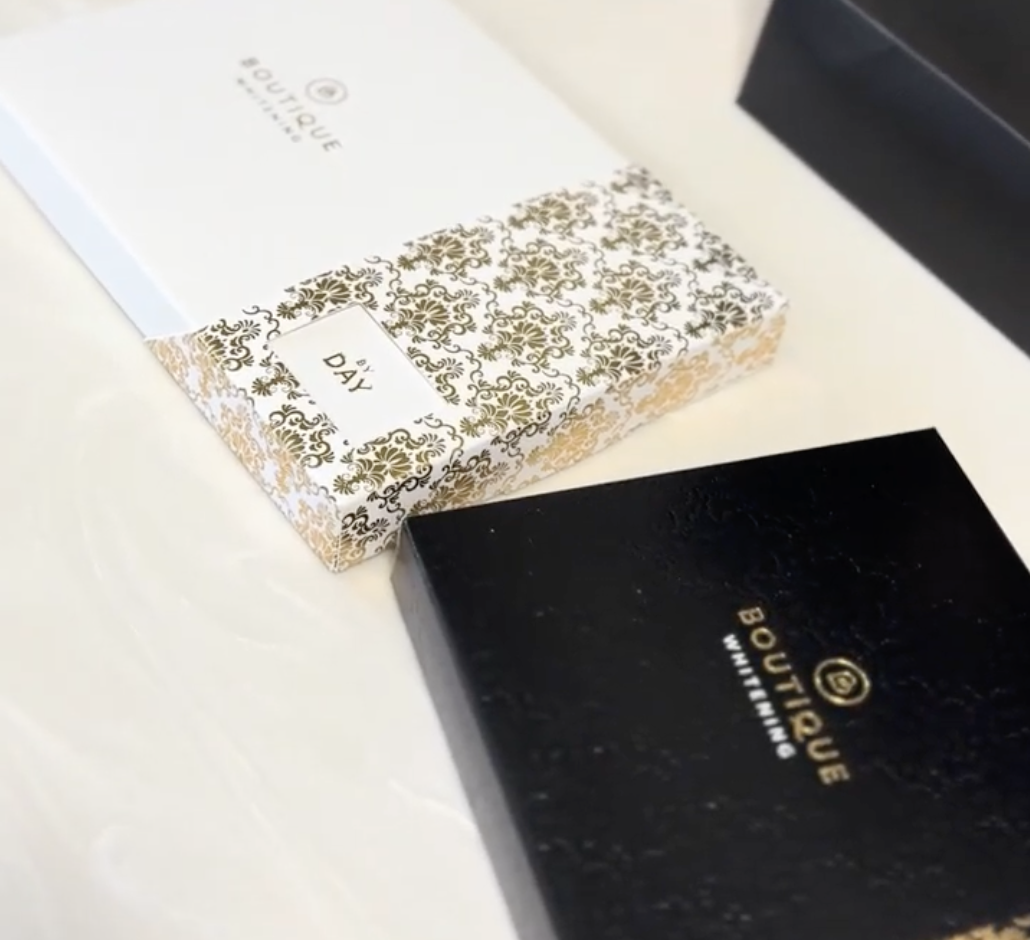
For the best results with teeth whitening strips, it’s important to follow a consistent routine and proper application technique. Start by brushing your teeth to remove any surface stains or debris, ensuring the strips can adhere closely to your enamel. Carefully peel the strip from its backing and apply it to your upper or lower teeth, pressing gently to achieve a comfortable fit. Fold any excess strip behind your teeth to keep it secure. Leave the strip on for the recommended time, usually between 15 and 30 minutes, then remove it and rinse your mouth thoroughly with water. For optimal whitening, use the strips daily for 14 consecutive days, and consider incorporating a whitening toothpaste into your routine to help maintain your results and keep your smile looking its brightest. However, even with correct use, Whitening strips are less effective at whitening your teeth than a system like Boutique or Enlighten Whitening, where instead of strips they use a mould of your teeth and create trays that hug your teeth perfectly, partnered with the gel, the results are always flawless.
Whilst many teeth whitening strips are formulated to be enamel-safe, the claim that they cause “no damage whatsoever” oversimplifies the science. The active ingredient, typically hydrogen peroxide or carbamide peroxide, works by penetrating tooth enamel to break down stain molecules. These ingredients are known as whitening agents, and they are responsible for the bleaching effect by breaking down stains and whitening the enamel. When used correctly and according to manufacturer guidelines, this process is generally safe.
However, overuse is where problems arise. Wearing strips for longer than recommended, using them more frequently than directed, or choosing products with excessively high peroxide concentrations can lead to enamel erosion and increased tooth sensitivity. Dentists recommend following the treatment schedule precisely and never exceeding the stated wear time. If you experience persistent sensitivity or gum irritation, discontinue use and consult your dentist. Remember: enamel doesn’t regenerate, so protecting it should always be your priority.
Not all tooth discolouration is created equal, and whitening strips aren’t a universal solution. They’re most effective on extrinsic stains, surface-level discolouration caused by coffee, tea, red wine, and smoking. These stains respond well to the bleaching action of peroxide-based strips, often showing visible improvement within a fortnight.
Intrinsic stains, however, tell a different story. These are stains that originate from within the tooth structure, often caused by certain medications (like tetracycline), excessive fluoride exposure during childhood, or trauma to the tooth. Greyish or brownish discolouration typically falls into this category and responds poorly to over-the-counter whitening strips. Whitening strips are formulated to whiten natural teeth and will not change the color of crowns, veneers, or other dental restorations. If your staining is intrinsic, professional dentist whitening treatments or cosmetic procedures like veneers may be more appropriate. Setting realistic expectations based on your stain type is essential for avoiding disappointment.
Despite what some marketing claims suggest, teeth whitening is not an overnight miracle. Most whitening strip treatments require consistent use over a 7 to 14-day period before you’ll notice significant results. The actual timeline varies based on the severity of your staining, the concentration of the whitening agent, and your individual tooth chemistry.
Initial improvements may become visible after three to four applications, but optimal results typically emerge at the end of the full treatment cycle. It’s also worth noting that results aren’t permanent. Surface stains will gradually return, especially if you regularly consume staining foods and beverages. Most people need touch-up treatments every few months to maintain their whiter smile. However, with proper maintenance and good oral hygiene, you can help preserve lasting results after the initial whitening cycle. Patience and consistency are key, rushing the process by using strips too frequently will only increase your risk of sensitivity without accelerating results.
The claim that whitening strips cause “no sensitivity” is misleading. Whilst not everyone experiences discomfort, tooth sensitivity is actually one of the most commonly reported side effects of at-home whitening treatments. This occurs because peroxide temporarily dehydrates the enamel, allowing external stimuli to reach the tooth’s nerve more easily.
The good news? Sensitivity is usually temporary and resolves within a few days of completing treatment. To minimise discomfort, use a desensitising toothpaste for sensitive teeth starting two weeks before your whitening regimen. Never exceed the recommended wear time, as this significantly increases sensitivity risk. If you have naturally sensitive teeth, consider peroxide-free alternatives or lower-concentration formulas, though be aware these may deliver less dramatic results. Persistent or severe sensitivity warrants a dentist visit, as it could indicate underlying dental issues that need addressing before cosmetic treatments.
Peroxide-free whitening strips have gained popularity, particularly among those with sensitive teeth. However, it’s important to understand what they can and cannot do. Hydrogen peroxide and carbamide peroxide are the only clinically proven ingredients that actually bleach teeth by breaking down stain molecules within the enamel structure. In many at-home teeth whitening treatments, a whitening gel containing these active ingredients is applied via strips or trays to help remove stains and brighten teeth.
Peroxide-free alternatives typically rely on abrasive or enzymatic ingredients that remove surface stains through polishing action, similar to whitening toothpaste. They can brighten your smile by a shade or two if your staining is mild and superficial, but they won’t deliver the same level of whitening as peroxide-based products. If you’re seeking professional-level results or have moderate to heavy staining, peroxide-based strips remain the gold standard. That said, peroxide-free options serve a purpose for maintenance or for individuals who cannot tolerate peroxide due to extreme sensitivity.
Whilst teeth whitening strips offer convenience and affordability, they’re not equivalent to professional dentist whitening. Professional treatments use significantly higher peroxide concentrations (often 25-40% compared to 6-14% in strips) and are applied using custom-fitted trays that ensure even coverage and prevent gum exposure.
Dentists also supervise the entire process, monitoring for adverse reactions and adjusting treatment as needed. This makes professional whitening faster and more effective, particularly for stubborn or severe staining. Professional treatments also tend to deliver long lasting results, especially when combined with a consistent oral hygiene routine and occasional top-up treatments. The trade-off? It’s slightly more expensive. However, if you have significant discolouration, uneven results from previous at-home treatments. Or dental restorations that need colour-matching, professional whitening strips vs dentist whitening becomes an easy choice. Opt for the professional route.
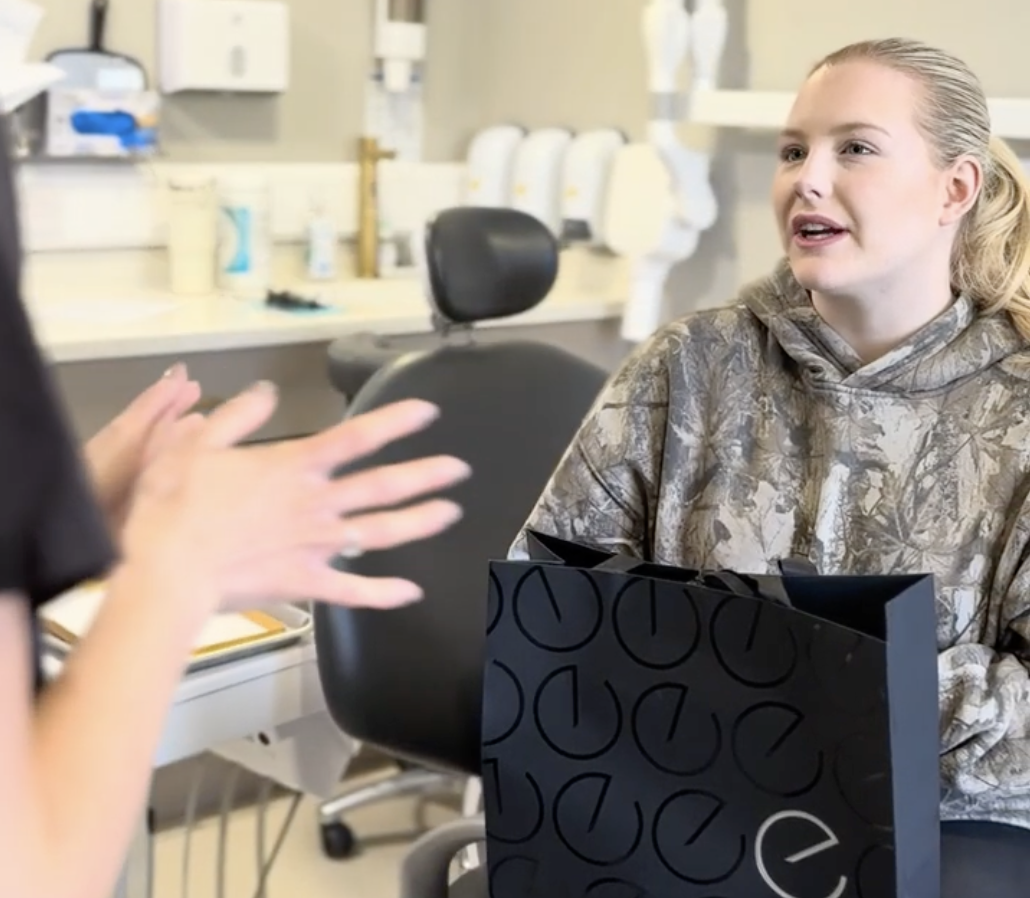
If you have gum disease or sensitive gums, it’s important to approach teeth whitening strips with caution. Most whitening strips use a peroxide-free formula that is enamel safe, individuals with gum disease may still experience irritation. Before starting any teeth whitening regimen, consult with your dentist to ensure your gums and teeth are healthy. If you notice any sensitivity or discomfort during or after using the strips, stop use immediately and seek advice from your dentist. Prioritising your gum health will help you achieve a whiter smile safely and comfortably.
To keep your smile looking radiant after using whitening strips, maintaining good oral hygiene and making lifestyle changes is key. Brush and floss regularly to remove surface stains and prevent new ones from forming. Also use a whitening toothpaste to help preserve your results. Try to avoid eating or drinking foods and beverages known to stain teeth, such as coffee, tea, red wine, and deeply coloured foods like berries or curry. When you do indulge, using a straw can help minimise contact with your teeth. By following these simple tips and using whitening strips as directed, you can enjoy a brighter, more radiant smile.
Before starting any whitening treatment, it’s crucial to know whether you’re a suitable candidate. Whitening strips are not recommended for individuals who are pregnant or breastfeeding, anyone under 18 years of age (as enamel is still developing) or those with active gum disease, untreated cavities, or severely worn enamel. Only individuals with healthy teeth should consider whitening treatments. Underlying dental issues require professional dental attention before cosmetic treatments can be safely pursued.
Additionally, if you have numerous dental restorations like crowns, veneers, or bonding on your front teeth, whitening strips will only affect your natural tooth enamel. Potentially creating uneven colouration. Other lifestyle factors, such as smoking or frequent consumption of staining foods and drinks, can also contribute. A dentist-recommended approach tailored to your specific dental situation will always yield better, safer outcomes than a one-size-fits-all product.
Teeth whitening strips can absolutely work when used correctly and with realistic expectations. However, whitening agents are often delivered in a gel form or trays to help break down stains. They’re most effective on extrinsic staining, require consistent use over one to two weeks, and may cause temporary sensitivity. Peroxide-based formulas deliver superior results compared to peroxide-free alternatives, though they’ll never quite match the dramatic outcomes of professional treatments. With consistent use, whitening strips can help you achieve visibly whiter teeth.
To maintain your results and prevent new stains, it’s important to limit drinks like coffee, tea, and red wine, as these can quickly dull your newly brightened smile. However, Enlighten Whitening boasts that no diet changes are required for optermum results.
For truly transformative results with expert supervision and personalised care, consider Enlighten whitening. Widely recognised as one of the most effective professional whitening systems available. Unlike over-the-counter strips, Enlighten focuses on at-home treatment to deliver guaranteed results, even on the most resistant stains. Book a consultation with your dentist to discover whether Enlighten Whitening could give you the brilliant, long-lasting smile.
Back to Blog



Dental crowns - an effective substitute for your smile.
Learn MoreDental crowns - an effective substitute for your smile.
Learn More







Church Street Dental Practice, 10 Church Street, Houghton le Spring, Durham, DH4 4DN. Telephone 0191 584 3247. CSDP (UK) Ltd trading as Church Street Dental Practice is a credit broker not a lender and is authorised and regulated by the Financial Conduct Authority, 840271. Registered in England & Wales 07257396. Registered Address: 10 Church Street, Houghton le Spring, Durham, DH4 4DN.