
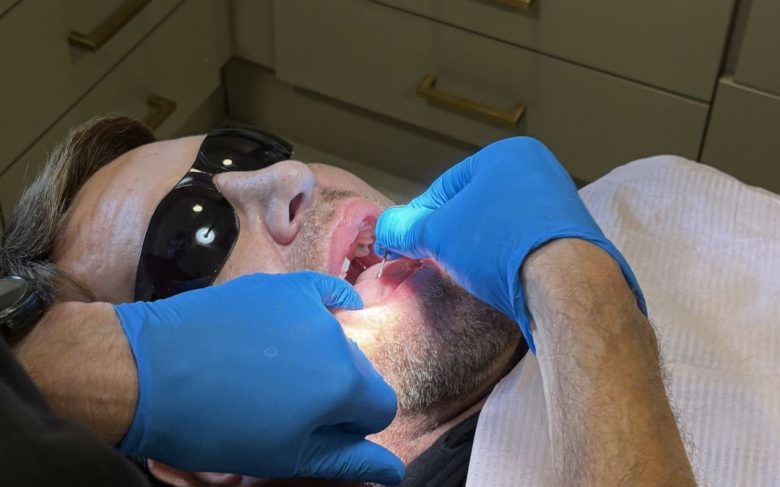
Choosing between veneers and crowns can feel overwhelming, especially when both treatments promise to transform your smile. While they may seem similar, these dental solutions serve very different purposes. Veneers are thin shells, often made from ceramic material for a natural look, that enhance the front surface of your teeth, primarily for cosmetic improvements. Crowns, on the other hand, are full-coverage caps that protect and restore damaged teeth. Crowns are available in various materials, including ceramic crowns, which are popular for their natural appearance. This comprehensive guide breaks down everything you need to know about veneers vs crowns, including UK costs, procedures, and how to decide which treatment suits your needs best.
Veneers are wafer-thin shells (a very thin layer of material bonded to the tooth), typically made from porcelain or composite resin, that are bonded to the front surface of your teeth. They’re designed primarily for cosmetic enhancement, addressing concerns like discolouration, minor chips, a chipped tooth, gaps, or slightly misaligned teeth. Porcelain veneers are the gold standard, offering superior stain resistance and a natural translucent appearance that mimics real tooth enamel. Composite veneers are a more affordable alternative that can be applied in a single visit. The procedure is minimally invasive, requiring the removal of only a thin layer (about 0.5mm) of enamel from the front of your tooth to ensure a seamless fit and natural look.
Dental crowns are full-coverage restorations that encase your entire tooth, providing 360-degree protection (dental crown covers the whole tooth surface). Unlike veneers, crowns serve a primarily restorative purpose, designed to strengthen and protect teeth that are severely damaged, decayed, or weakened. They’re commonly recommended after root canal treatment, for teeth with large fillings, or to repair significant fractures. Crowns come in various materials including porcelain, ceramic, metal, and porcelain-fused-to-metal. Porcelain and ceramic crowns are popular for their aesthetics, while crowns made with a metal alloy core offer additional strength. Each material offers different benefits in terms of strength, aesthetics, and cost. Because they cover the entire tooth structure, crowns provide maximum durability and can withstand substantial biting forces. The crowned tooth is secured in place using dental cement, which ensures a stable and lasting restoration.
The most fundamental difference lies in coverage. Veneers bond only to the front surface of your tooth, leaving the back and sides untouched. Crowns completely surround your tooth, covering it from every angle and effectively becoming your tooth’s new outer structure.
Veneers are predominantly cosmetic solutions for patients with healthy teeth who want to improve their smile’s appearance. Crowns are restorative treatments that rebuild and protect compromised teeth, addressing both functional and structural concerns.
Veneers require minimal tooth alteration, typically just 0.5mm of enamel removed from the front surface. Crowns demand more extensive preparation, with 1-2mm of tooth structure removed from all sides to accommodate the crown’s thickness and ensure proper fit.
With proper care, veneers typically last 10-15 years before requiring replacement. Crowns generally offer greater longevity, lasting 15-20 years or more, particularly because they’re designed to withstand heavier functional demands and protect weakened teeth.
When exploring cosmetic dentistry, it’s important to know that veneers and crowns aren’t the only options for enhancing your smile. For those seeking cosmetic improvements with minimal intervention, dental bonding or professional teeth whitening can be effective for correcting minor chips, stains, or slight irregularities in natural teeth. These treatments are less invasive and can often be completed in a single visit.
However, if you’re dealing with more significant issues,such as: missing teeth or severe damage,other solutions may be more appropriate. Dental implants are a popular alternative to crowns for replacing missing teeth, offering a permanent and natural-looking result. For patients who want a cost-effective option, composite veneers can provide a quick cosmetic boost, while metal crowns may be recommended for back teeth that require extra strength.
Ultimately, the best approach depends on your unique dental needs and goals. Consulting a cosmetic dentist is essential to determine whether porcelain veneers, dental crowns, or another treatment will deliver the results you’re after. With the right guidance, you can choose the solution that best restores both the appearance and function of your natural teeth.
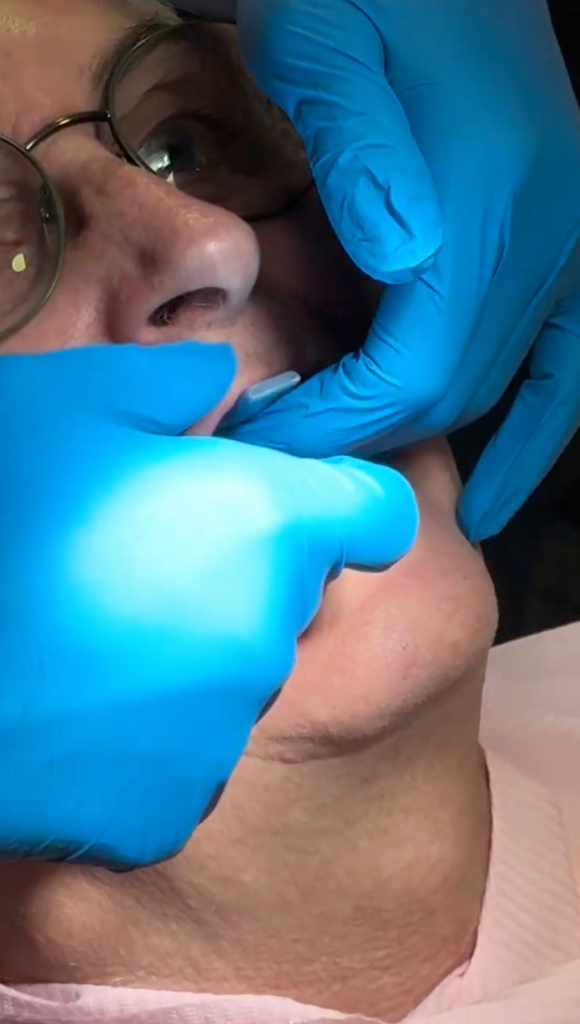
Dental veneers are your ideal choice when your teeth are structurally sound but aesthetically imperfect. They excel at correcting teeth that are discoloured beyond what whitening can achieve, particularly teeth stained by tetracycline or other deep-set discolouration. Dental veneers effectively mask minor chips, small cracks, or slight misalignments without the need for orthodontic treatment. They’re perfect for closing small gaps between teeth or reshaping teeth that appear too small or worn. Dental veneers can also be used to treat multiple teeth at once, helping to create a uniform and attractive smile. If your primary concern is creating a beautiful, uniform smile and your teeth don’t have significant structural damage, dental veneers offer an excellent minimally invasive solution. During the procedure, a temporary veneer may be placed to protect your prepared tooth and maintain aesthetics while your permanent restoration is being fabricated.
Crowns become necessary when your tooth’s structural integrity is compromised. They’re essential after root canals, as teeth become brittle without their nerve supply and need comprehensive protection. If you have a tooth with a large filling that occupies more than half the tooth structure, a crown prevents future fractures. Severely cracked, broken teeth, or teeth with severe tooth decay require the complete coverage and strength that only a crown provides. Crowns are also recommended when the original tooth structure is too compromised to support a veneer. Additionally, crowns are recommended for teeth worn down by grinding or erosion, restoring proper tooth height and protecting against further damage.
Restoring front teeth requires a careful balance of aesthetics and function, as these teeth are most visible when you smile. Veneers are often the go-to choice for front teeth restoration, especially when you want to address minor shape corrections, close small gaps, or cover discoloration. Their ability to enhance just the front surface of the tooth makes them ideal for subtle yet impactful cosmetic dentistry.
In cases where front teeth are more severely damaged, decayed, or weakened, a dental crown may be necessary to provide full coverage and long-term protection. Porcelain crowns are particularly popular for front teeth, as they can be custom-matched to the color and translucency of your natural teeth, ensuring a seamless and attractive result.
Sometimes, achieving a complete smile makeover may involve a combination of veneers and crowns, tailored to the specific needs of each tooth. A cosmetic dentist will carefully assess your front teeth and recommend the most suitable treatment plan, ensuring your restored smile looks natural and feels comfortable.
Your veneer journey begins with a consultation where your dentist assesses your suitability and helps select the perfect shade. During the preparation appointment, a minimal amount of enamel is removed from your tooth’s front surface, impressions are taken, and temporary veneers may be placed. These impressions go to a dental laboratory where skilled technicians craft your custom veneers. At your second visit, typically two weeks later, your dentist bonds the permanent veneers using special adhesive, carefully adjusting the fit and checking your bite.
Crown placement involves more extensive preparation. Your tooth is shaped and reduced on all sides to create space for the crown. Impressions are taken and sent to the laboratory, whilst a temporary crown protects your prepared tooth. Laboratory fabrication typically takes 2-3 weeks. At your final appointment, the temporary crown is removed, and your permanent crown is cemented into place. Your dentist ensures proper fit, bite alignment, and aesthetics before final bonding.
Understanding the financial investment is crucial when deciding between veneers and crowns. Composite veneers typically cost £300 per tooth at CSDP, offering a more budget-friendly option with immediate results. Porcelain veneers range from £500-£1,000+ per tooth, reflecting their superior aesthetics and longevity.
Dental crowns available through the NHS cost £306.80 under Band 3 treatment, but only when clinically necessary for restorative purposes. Private crowns cost between £600-£1,200+ per tooth, depending on materials and your dentist’s location. When considering crowns cost, it’s important to factor in the provider’s experience and transparency about expenses. Dental insurance may cover crowns if they are medically necessary, but cosmetic veneers are often not included. Most dental insurance programs and dental plans do not cover cosmetic procedures, so it’s essential to review your dental plans to understand what is covered for veneers and crowns. It’s important to note that cosmetic treatments, including veneers, are typically not covered by NHS funding and require private payment.
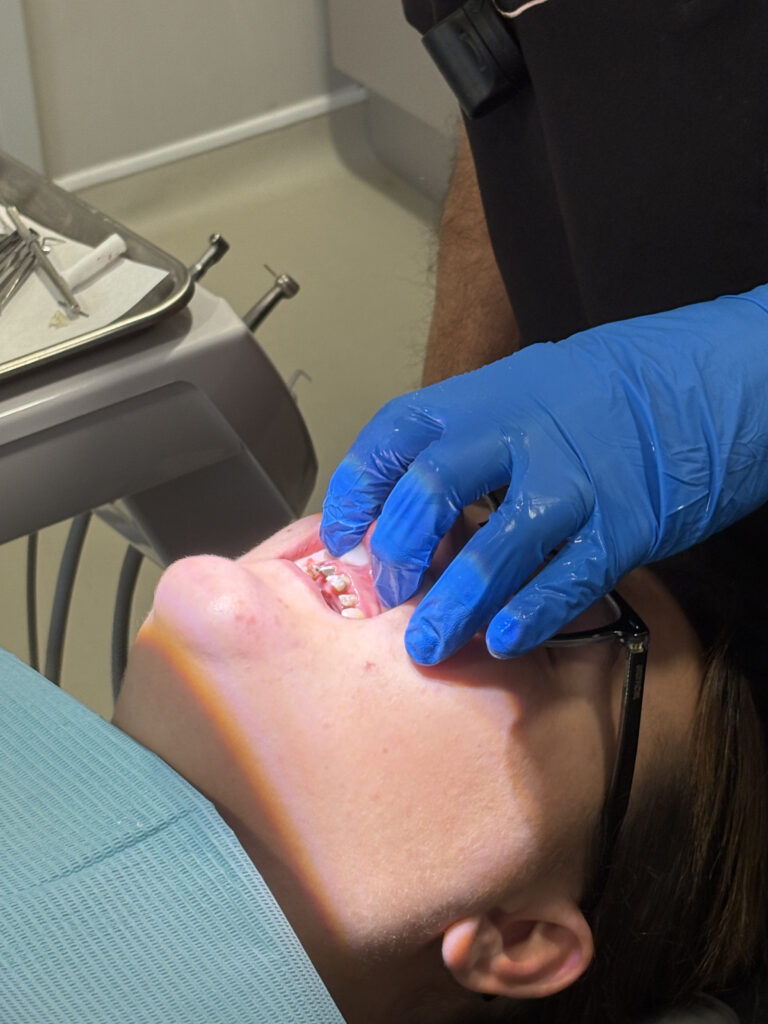
Pros: Veneers deliver exceptional natural-looking aesthetic results with minimal invasiveness. They preserve most of your natural tooth structure, requiring only minimal enamel removal, and the procedure is generally comfortable with quick recovery.
Cons: Veneers aren’t suitable for damaged or weakened teeth and can chip or crack under excessive force. The procedure is irreversible since enamel removal is permanent, and they may not be appropriate if you grind your teeth.
Pros: Crowns provide maximum protection and strength for compromised teeth, with superior longevity compared to veneers. They’re versatile solutions for both restorative and cosmetic needs, and they can completely transform severely damaged teeth.
Cons: Crowns require more invasive tooth preparation with greater structure removal. They’re more expensive, particularly for private treatment, and in rare cases, the underlying tooth may require root canal treatment if sensitivity develops.
Both veneers and crowns require diligent oral hygiene to maximise their lifespan. Brush twice daily with fluoride toothpaste and floss regularly, paying special attention to cleaning near the gum line and gum margin to prevent plaque buildup, gum disease, and tooth decay around the margins of your restorations. Avoid biting hard objects, opening packages with your teeth, or chewing ice, which can cause damage. Regular dental check-ups every six months allow your dentist to monitor your restorations and address any issues early. If you grind your teeth, wearing a nightguard protects your investment from excessive wear.
The first step toward achieving your ideal smile is consulting a cosmetic dentist. During your visit, the dentist will thoroughly assess your teeth, discuss your goals, and help you understand the differences between porcelain veneers, composite veneers, and dental crowns. They’ll examine your teeth, take X-rays if needed, and explain the process of tooth preparation, whether you’re considering veneers and crowns or another cosmetic treatment.
Your cosmetic dentist will also walk you through what to expect during each stage, from temporary restorations to the placement of your permanent veneers or crowns. They’ll emphasise the importance of proper maintenance, such as regular dental check-ups, good oral hygiene, and avoiding habits that could damage your restorations, to ensure your investment lasts for years to come.
By working closely with a cosmetic dentist, you can make informed decisions about your dental health and select the treatment that best suits your needs, lifestyle, and desired results.
Q: Are veneers reversible?
No, veneers are not reversible because the procedure requires permanent enamel removal from your tooth’s front surface.
Q: Which lasts longer?
Crowns typically last longer, with an average lifespan of 15-20+ years compared to 10-15 years for veneers, though proper care affects both.
Q: Do they hurt?
Both procedures are performed under local anaesthetic, so you won’t feel pain during treatment. Some sensitivity afterwards is normal but temporary.
Q: Can I get them on the NHS?
Crowns are available on the NHS when clinically necessary for restorative purposes. Veneers are considered cosmetic and typically require private treatment.
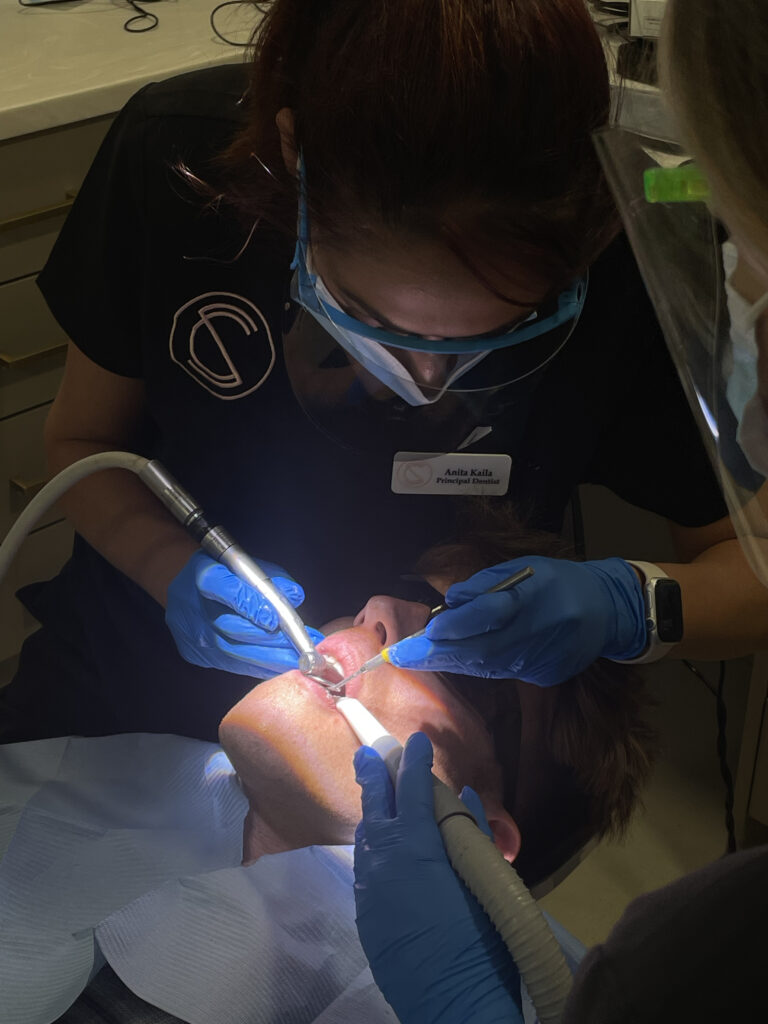
The choice between veneers and crowns ultimately depends on your individual circumstances. Veneers excel when your goal is cosmetic enhancement with healthy tooth structure, whilst crowns are essential for restoring damaged or compromised teeth. Neither option is inherently better, they simply serve different purposes. The best way forward is scheduling a consultation with your dentist, who can assess your oral health, discuss your goals, and recommend the most appropriate treatment. Your smile is a worthwhile investment, and choosing the right solution ensures beautiful, long-lasting results. Speak to your dentist today about which option suits your needs.
Back to Blog



Dental crowns - an effective substitute for your smile.
Learn MoreDental crowns - an effective substitute for your smile.
Learn More







Church Street Dental Practice, 10 Church Street, Houghton le Spring, Durham, DH4 4DN. Telephone 0191 584 3247. CSDP (UK) Ltd trading as Church Street Dental Practice is a credit broker not a lender and is authorised and regulated by the Financial Conduct Authority, 840271. Registered in England & Wales 07257396. Registered Address: 10 Church Street, Houghton le Spring, Durham, DH4 4DN.